Understanding Tire Pressure Monitoring Systems
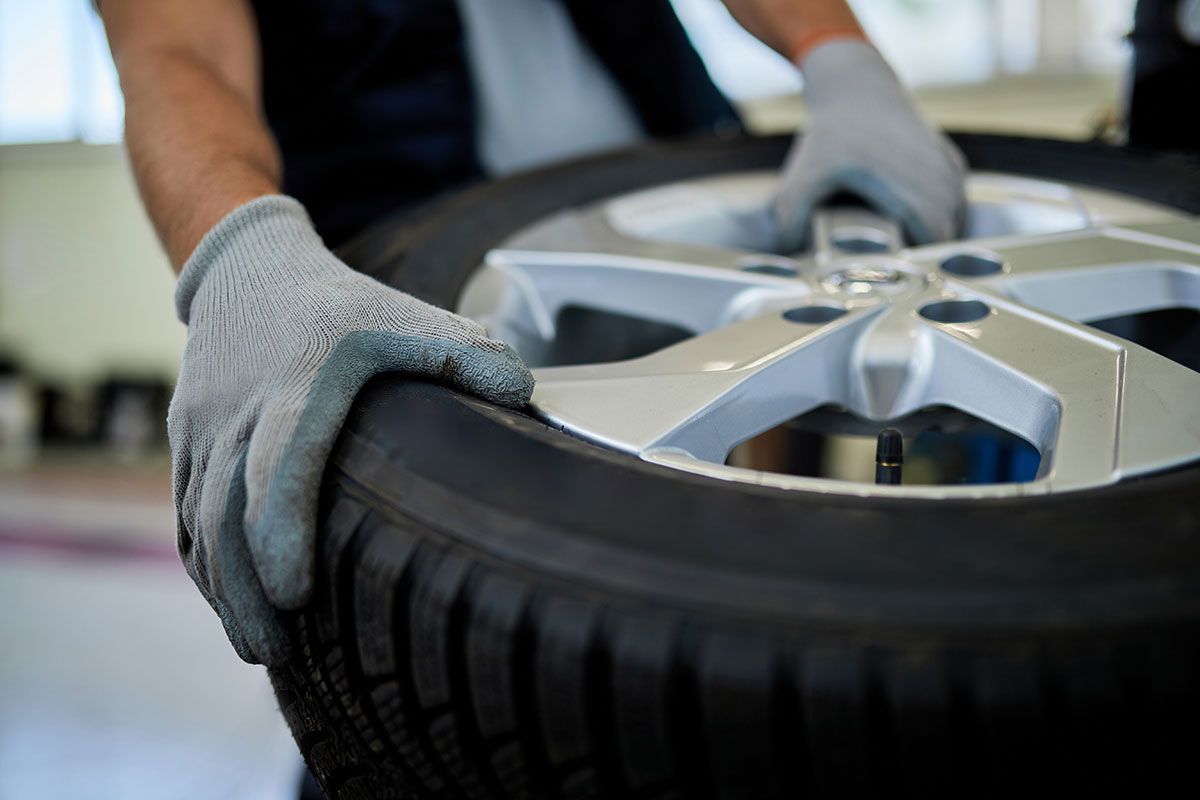
Tire pressure monitoring systems (TPMS) are essential for modern vehicles. They alert drivers when tire pressure is too low, ensuring safety on the road.
Understanding TPMS can help you maintain your vehicle's performance and safety. It involves knowing how the system works and what the warning lights mean.
In California, especially in cities like Fresno and Reedley, proper tire pressure is crucial due to climate variations.
This guide will explore the importance of TPMS, how it functions, and tips for maintenance.
Whether you're a seasoned driver or new to car ownership, learning about TPMS can enhance your driving experience.
What is a Tire Pressure Monitoring System (TPMS)?
A Tire Pressure Monitoring System (TPMS) is a safety feature found in most vehicles today. It helps drivers maintain the correct tire pressure, enhancing safety and performance.
The system continuously monitors tire pressure, alerting the driver if the pressure drops significantly. Maintaining proper tire pressure is critical for safe and efficient driving.
There are two types of TPMS: direct and indirect systems. Direct systems use sensors in each tire to provide real-time pressure data, while indirect systems use the ABS system to estimate pressure.
Benefits of TPMS include:
- Improved fuel efficiency
- Enhanced tire life
- Increased vehicle safety
Understanding TPMS can prevent accidents caused by under-inflated tires. It became mandatory in new vehicles in the U.S. after 2007.
How Does TPMS Work? (Direct vs. Indirect Systems)
Tire Pressure Monitoring Systems operate in two main forms: direct and indirect. Each system has unique components and functionalities.
Direct TPMS employs sensors installed in each tire to measure pressure levels. These sensors transmit data to the vehicle's onboard computer system, providing precise readings. This allows for accurate pressure monitoring and real-time alerts.
In contrast, Indirect TPMS does not use tire-mounted sensors. Instead, it relies on wheel speed sensors from the ABS system. It detects pressure changes by comparing rotational speeds of the tires. This approach can be less precise than direct systems.
Key differences between direct and indirect TPMS include:
- Direct TPMS: Uses individual tire sensors for accuracy.
- Indirect TPMS: Utilizes ABS data, less precise but more cost-effective.
Understanding the type of TPMS in your vehicle helps in proper maintenance. Both systems contribute to enhanced safety and vehicle performance.
Why Proper Tire Pressure Matters
Maintaining proper tire pressure is essential for vehicle safety and performance. Under-inflated tires can adversely affect handling and braking. This increases the risk of accidents, particularly in challenging driving conditions.
Incorrect tire pressure can also lead to increased wear. Tires with insufficient pressure wear out faster, potentially leading to premature replacement. This can result in higher long-term costs for vehicle owners.
Fuel efficiency is another critical factor. Under-inflated tires create more rolling resistance. This causes vehicles to consume more fuel over time.
Key benefits of maintaining proper tire pressure include:
- Improved vehicle handling and safety
- Enhanced fuel efficiency
- Increased tire lifespan
Regular pressure checks can prevent these issues. Implementing a routine check or relying on TPMS alerts is prudent. This practice promotes a safer, more efficient driving experience.
The Tire Pressure Monitor Sensor: Key Component Explained
The tire pressure monitor sensor is a crucial part of a vehicle's safety framework. Located within each tire, these sensors provide real-time pressure data. This allows drivers to maintain optimal tire conditions, enhancing both safety and performance.
These sensors typically communicate with the car's central system. When tire pressure drops below a safe level, they trigger warnings on the dashboard. This ensures drivers can take immediate corrective actions, preventing potential accidents.
Understanding their function helps recognize sensor-related issues. Key aspects of tire pressure monitor sensors include:
- Real-time pressure data transmission
- Battery-operated, with a finite lifespan
- Essential for both direct and indirect TPMS
Regular maintenance of these sensors is essential. Monitoring battery health and ensuring sensor accuracy are vital. Staying informed can prevent unexpected complications.
Understanding the TPMS Warning Light
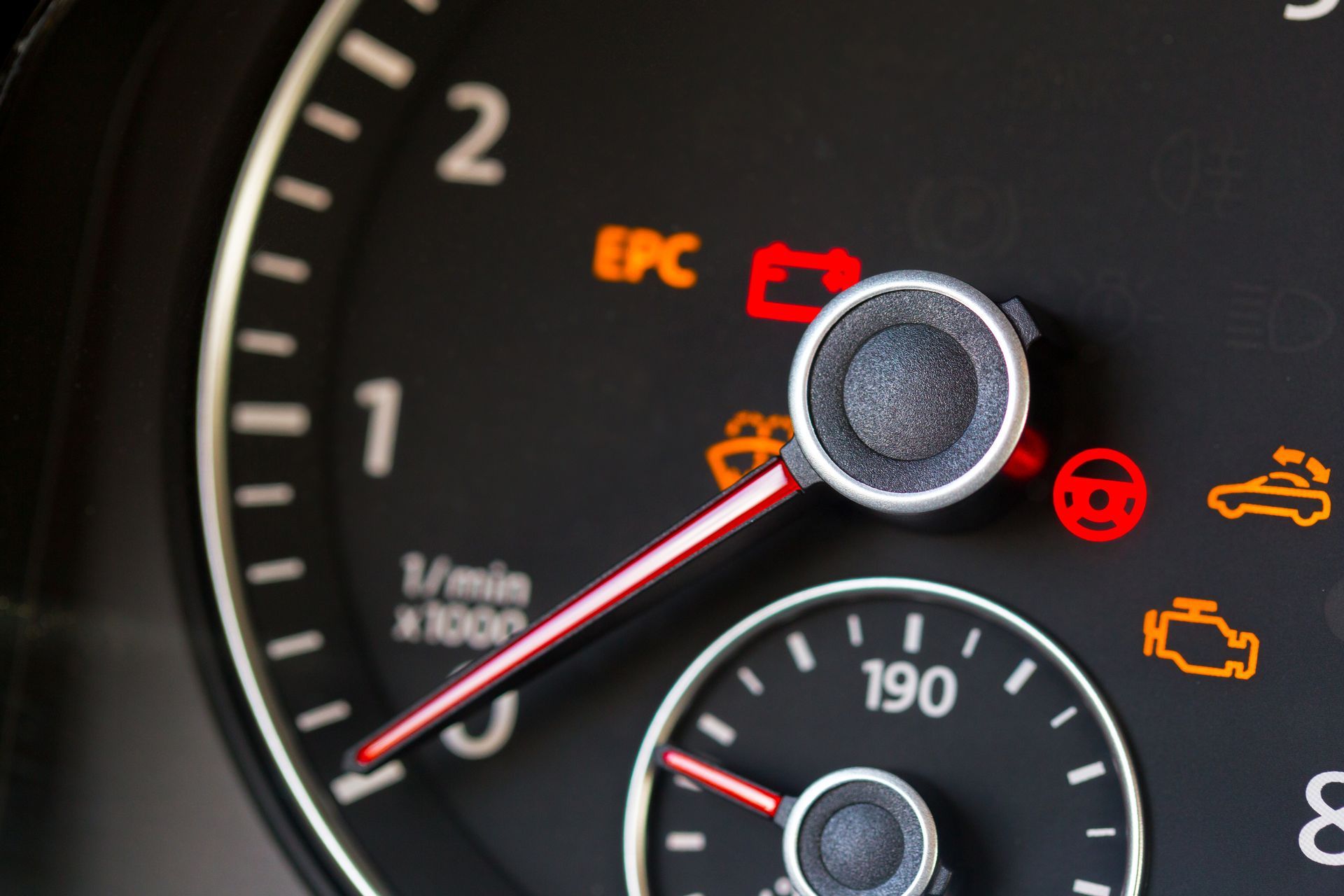
The TPMS warning light plays a critical role in vehicle safety. It alerts drivers to any tire pressure issues, usually appearing as a yellow symbol. This symbol resembles a cross-section of a tire with an exclamation point in the middle.
When the TPMS warning light illuminates, it signals possible tire pressure discrepancies. Drivers should check their tire pressure promptly. Ignoring this light can lead to unsafe driving conditions and increased tire wear.
The warning light may behave differently based on the issue. Some common patterns include:
- Steady light: Low tire pressure detected
- Flashing light: Potential system malfunction
- Light turns off: Issue resolved
Each pattern requires a different response. Consult your vehicle's manual for guidance. Understanding these signals allows for timely and effective actions.
How to Reset Your TPMS (TPMS Reset Guide)
Resetting your TPMS is often necessary after specific tire services. These include tire rotations, replacements, or pressure adjustments. Resetting ensures the system accurately monitors tire conditions.
For many vehicles, the reset process is straightforward. Some cars feature a TPMS reset button on the dashboard. Others allow resets through the infotainment system. It's crucial to follow the steps specific to your vehicle make and model.
General TPMS reset steps involve:
- Ensuring all tires are correctly inflated
- Turning the ignition on, but not starting the car
- Using the TPMS reset button or settings menu
Each vehicle may require slight variations. Consulting the vehicle’s manual is recommended to complete the procedure correctly.
If issues persist post-reset, professional advice may be necessary. Malfunctions or persistent alerts could indicate deeper problems needing expert intervention.
Common TPMS Issues and Troubleshooting
TPMS systems can sometimes experience issues despite their reliability. A common problem is the TPMS warning light staying on even after tire pressure adjustment. This often indicates a system reset may be needed.
Faulty sensors are another frequent issue. TPMS sensors have batteries that eventually need replacement. If the TPMS light flashes, a malfunction in the system, such as failing sensors, might be the cause.
Extreme temperatures can also affect TPMS functionality. Cold weather may cause temporary drops in pressure, triggering the TPMS light. In these situations, it's important to verify tire pressure manually.
To troubleshoot TPMS issues:
- Check tire pressures manually
- Look for visible damage to sensors
- Reset the TPMS as per the vehicle's manual
- Seek professional help if problems persist
Addressing TPMS issues promptly enhances driving safety and vehicle performance.
TPMS Maintenance Tips for California Drivers (Fresno, Reedley & Beyond)
Maintaining your TPMS is crucial for California drivers. Varying climates in Fresno, Reedley, and the wider region demand regular attention. Extreme heat or sudden cold snaps can affect tire pressure significantly.
For optimal performance, inspect your TPMS sensors during seasonal changes. Check for visible damage and ensure sensors are clean. Proper maintenance prevents unexpected issues when driving through diverse weather conditions.
In addition to regular inspections, establish a routine for manual tire pressure checks. Use an accurate gauge to confirm TPMS readings. This practice complements the system and alerts you to any discrepancies.
A few important tips for California drivers include:
- Regularly clean sensors to prevent malfunction
- Perform pressure checks before long trips
- Monitor TPMS system after hitting potholes or curbs
These practices help keep your TPMS in top condition, contributing to safer driving throughout California.
Professional TPMS Services: When to Visit Lee’s Service or a Local Shop
Expert attention can resolve many TPMS issues. In California, Lee’s Service in Fresno offers specialized TPMS care. They help with sensor replacement, system calibration, and troubleshooting.
Local shops can be just as effective. Look for certified technicians experienced in TPMS systems. They ensure your system works flawlessly before you hit the road again.
Consider visiting a professional when:
- The TPMS light stays on after reset attempts
- Sensors fail or show inconsistent readings
- You need advice on upgrading your TPMS
Professional services provide peace of mind, ensuring your TPMS operates smoothly and effectively at all times.
Conclusion: The Importance of TPMS for Safe Driving
The tire pressure monitoring system (TPMS) is crucial for ensuring safe driving conditions. By providing real-time tire pressure information, it helps prevent accidents caused by under-inflated tires.
Prioritizing TPMS maintenance can lead to fewer tire-related issues on the road. It improves overall vehicle safety and performance. Drivers should regularly check and maintain their TPMS to enjoy peace of mind and enhance vehicle longevity. Staying informed about your TPMS ensures you drive safely and efficiently.