What to Know About Nitrogen-Filled Tires

What to Know About Nitrogen-Filled Tires
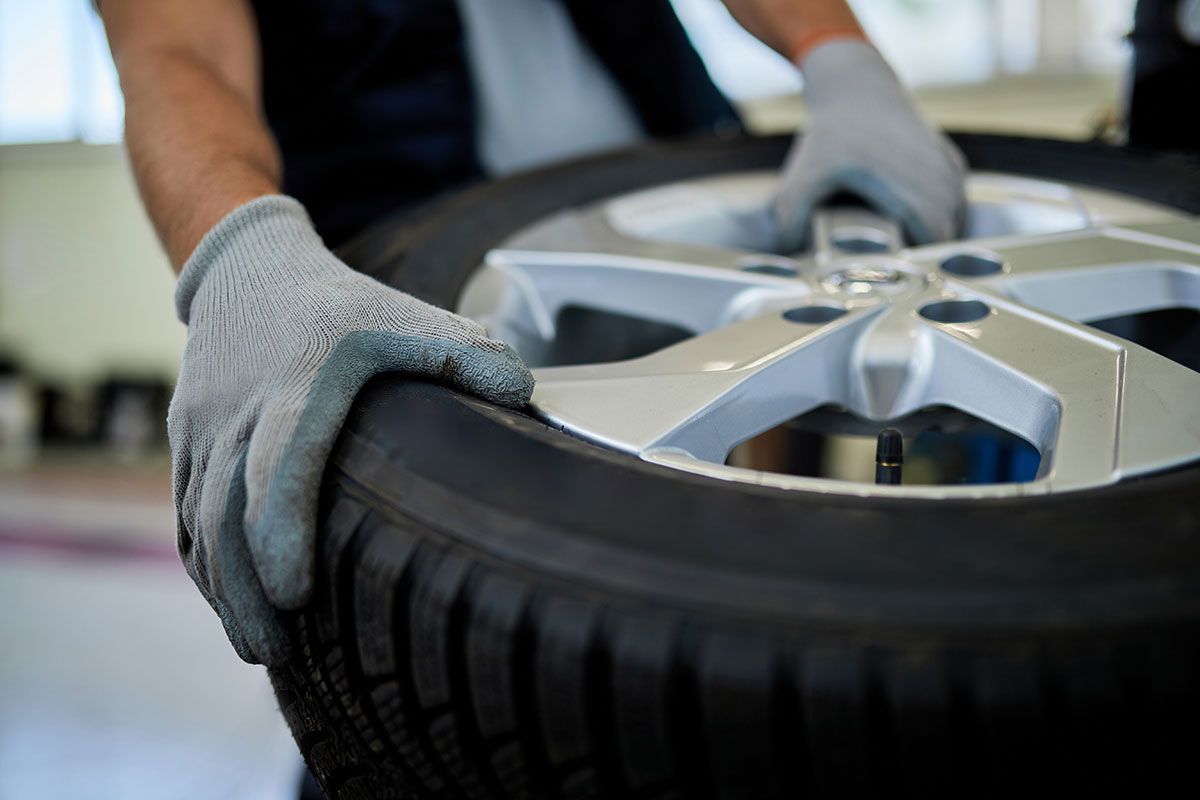
Keeping your tires properly inflated is a key to getting the maximum fuel efficiency from your vehicle. Properly inflated tires also reduce tread wear, improve your car’s stopping distance, and decrease the chances of a blowout. Nitrogen-filled tires are said to have the benefit of keeping your tires inflated longer than the standard compressed air tires. The air in your tires eventually escape through the tire’s inner liner, but nitrogen-filled tires take a longer time. Nitrogen Filled Tires
Routine maintenance is critical to long tire life, and proper tire pressure will ensure the good health of your tires. The greatest benefit that nitrogen-filled tires are said to provide is keeping your vehicle’s tires inflated longer, which saves you money at the pump. Even so, researchers have concluded that although nitrogen will slow down tire inflation loss, you’ll still need to check and top off your air roughly every other month to stay within the ideal inflation range.
Nitrogen-filled Tires FAQ
Q: Will I get better fuel economy with nitrogen filled tires?
A: Better fuel economy is based on proper tire inflation, whether they’re filled with nitrogen or air will not affect that. When your tires are underinflated, gas mileage is lowered.
Q. Can nitrogen tires be filled with air?
A: Nitrogen isn’t readily available everywhere, so it is perfectly fine to top up your tires with normal compressed air if necessary. Normal air will likely negate any said benefits of nitrogen, but it is unsafe to drive on underinflated tires. You can always deflate your tires and re-inflate with nitrogen when it becomes available.
Q: Can tire pressure be checked less often using nitrogen than compressed air?
A: Regular tire pressure checks should be done regardless of what is used to inflate the tires.
Q: Where do I get nitrogen for my tires?
A: You will need to go to a nitrogen dealer location at a service center.
Contact Us to Learn More About Nitrogen-Filled Tires Near You!
There is nothing wrong with using nitrogen in passenger cars and trucks, but it does require commitment and extra cost. For your safety, always make sure that your tires are neither underinflated nor overinflated. This could create excessive strain and heat build-up and lead to catastrophic tire failure. Check your tire inflation pressure regularly to make sure they are inflated to the proper manufacturer recommended pressure level, either with air or, if you so choose, with nitrogen.