Common Honda CVT Problems — What Drivers Should Know

Common Honda CVT Problems — What Drivers Should Know
Honda’s CVT (Continuously Variable Transmission) offers smooth acceleration and improved fuel economy, but it’s not without its challenges. Over the years, many Honda owners have experienced issues with CVTs ranging from shuddering to delayed engagement.
At Lee’s Service in Reedley and Fresno, CA, we’ve helped countless drivers diagnose and repair Honda CVT issues before they lead to major transmission damage. Here’s what every Honda driver should know.
What Is a CVT Transmission?
Unlike a traditional automatic transmission that uses fixed gears, a CVT uses a belt-and-pulley system that seamlessly adjusts gear ratios. The goal is to keep your engine in its most efficient power range at all times, delivering better fuel economy and smoother driving.
However, this design also makes CVTs more sensitive to fluid condition, driving habits, and maintenance intervals, meaning small issues can quickly snowball if ignored.
The Most Common Honda CVT Problems
1. Shuddering or Jerking While Accelerating
This is one of the most reported
Honda CVT issues. Drivers may feel a hesitation or vibration, especially at low speeds.
Possible causes:
- Deteriorated CVT fluid
- Worn pulleys or belt surface
- Software calibration issues
2. Delayed Acceleration or Sluggish Response
If your Honda hesitates when you press the gas pedal, it may indicate internal pressure problems within the CVT.
Possible causes:
- Failing pressure solenoids
- Contaminated fluid or clogged filters
- Worn valve body components
3. Whining or Humming Noise
A high pitched whining noise, especially under acceleration, is often linked to CVT pulley bearing wear or low fluid levels.
Possible causes:
- Low or old
transmission fluid
- Bearing or internal pulley damage
4. Transmission Overheating
Overheating is common in CVTs that aren’t properly maintained. Excessive heat breaks down fluid and damages internal seals and belts.
Possible causes:
- Old fluid losing its protective properties
- Cooling system problems (radiator or transmission cooler)
5. Check Engine Light or Transmission Warning Light
Modern Honda CVTs have sensors that detect slippage, overheating, or pressure issues. If your check engine light is on, diagnostic codes can pinpoint early signs of failure.
Honda Models Known for CVT Issues
While most modern Honda CVTs perform well when maintained, some models have experienced more frequent issues, including:
- Honda Civic (2014–2018)
- Honda Accord (2013–2017)
- Honda HR-V (2016–2021)
- Honda Fit (2015–2020)
Early detection is key, what starts as a minor shudder can turn into a full CVT failure if not serviced in time.
Preventing Honda CVT Problems
1. Replace CVT Fluid on Schedule
Honda recommends changing CVT fluid roughly every 30,000–40,000 miles under normal driving conditions. In Central California’s heat and stop-and-go traffic, more frequent changes can extend your transmission life.
2. Use Genuine Honda CVT Fluid Only
Using the wrong fluid type can cause slipping and internal wear. At Lee’s Service, we always use OEM approved fluid to ensure proper lubrication and cooling.
3. Get Regular Inspections
During routine maintenance, our technicians can detect leaks, fluid contamination, or early signs of wear before they turn into expensive repairs.
How Lee’s Service Diagnoses and Fixes Honda CVT Issues
When you visit Lee’s Service for CVT concerns, our certified technicians perform:
- Diagnostic scan for transmission codes
- Fluid inspection for color, odor, and metal debris
- Road testing to evaluate shifting behavior
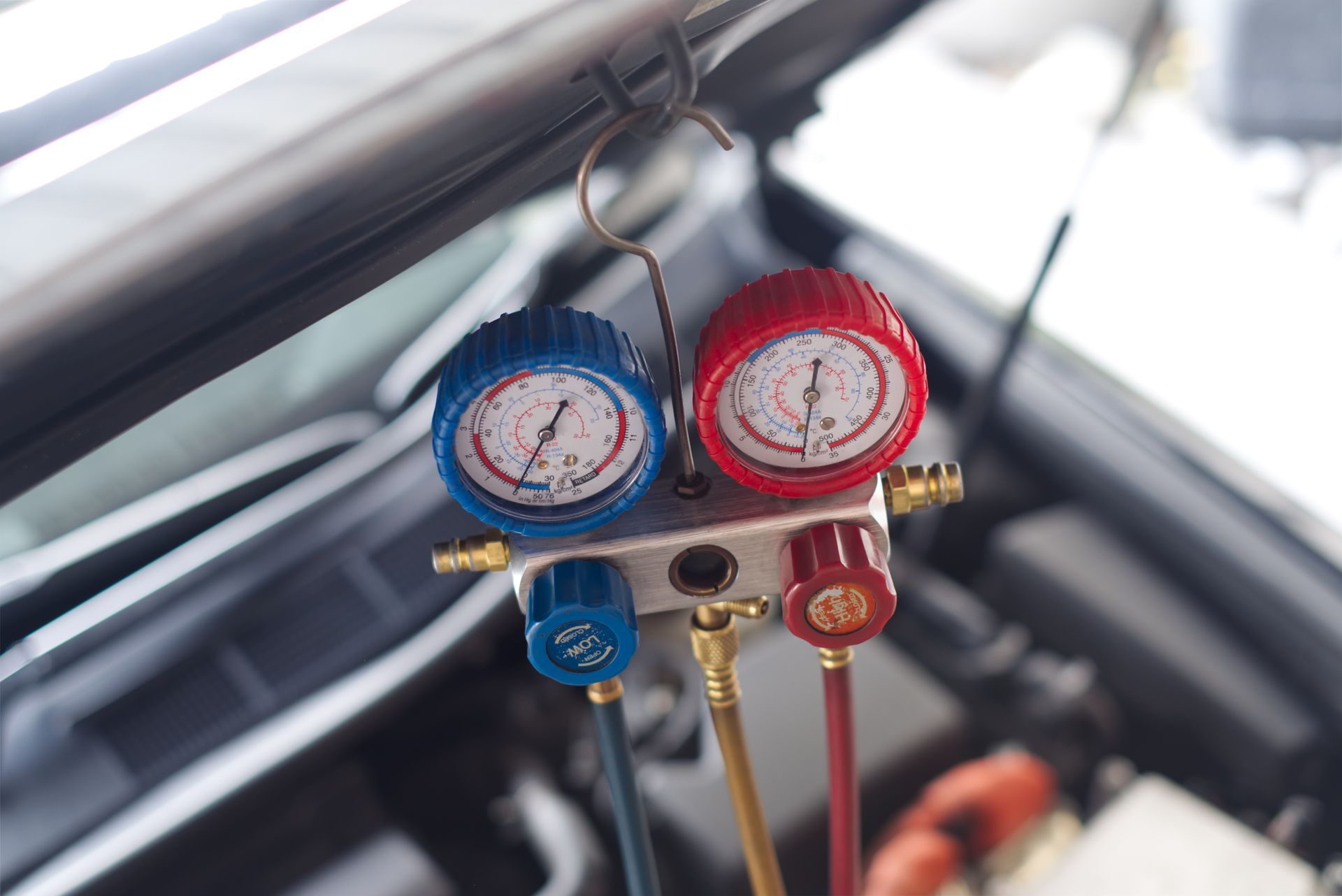
- Temperature and pressure checks to detect internal problems
If needed, we provide CVT fluid exchange, valve body repair, or complete transmission replacement depending on the severity.
Schedule Your Honda CVT Service in Reedley or Fresno, CA
If your Honda is hesitating, shuddering, or showing transmission warning lights, don’t wait catching CVT issues early can save you thousands.
Visit Lee’s Service for professional Honda transmission service in Reedley and Fresno, CA. Our expert team uses the right diagnostics, fluid, and repair methods to keep your CVT running smoothly for miles to come.