Serpentine Belt: Essential Car Maintenance Guide
A serpentine belt is a small-looking part with a big job: it helps transfer engine power to several important accessories under the hood. When it works well, your vehicle’s systems feel normal and dependable; when it wears out, you may notice squealing, weak electrical performance, overheating, or loss of power steering. Understanding how this car belt works can help you recognize problems early, plan maintenance, and avoid preventable breakdowns.
What does a serpentine belt do?
A serpentine belt powers multiple engine accessories by wrapping around a series of pulleys in one continuous loop. In many vehicles, the belt helps run components such as the alternator, power steering pump, air conditioning compressor, and sometimes the water pump, depending on the engine design. If you have ever searched “what is a serpentine belt do,” the simple answer is this: it keeps several key vehicle systems moving whenever the engine is running.
Unlike older vehicles that used several separate belts, many modern vehicles rely on one serpentine drive belt to handle multiple functions. That design saves space and can make maintenance more straightforward, but it also means one worn or broken belt can affect several systems at once. This is why the serpentine belt car owners tend to overlook deserves regular attention.
Why this belt matters more than many drivers realize
The serpentine belt is not just another rubber part under the hood. It is part of the connection between the engine’s rotating crankshaft and the accessories that make your vehicle comfortable, steerable, charged, and properly cooled. When the belt slips, cracks, stretches, or breaks, those accessories may stop working correctly.
A failing drive belt can create symptoms that feel unrelated at first. Your battery warning light may come on because the alternator is not charging properly. Your steering may become harder because the power steering pump is not receiving steady power. Your temperature gauge may rise if the belt drives the water pump in your vehicle. Even your air conditioning may stop cooling if the compressor is no longer being turned by the belt.
The practical takeaway is simple: a serpentine belt can affect both convenience and safety. A squealing belt might seem like a minor annoyance, but it can be an early warning that the belt, pulley, or tensioner needs inspection.
Common signs of serpentine belt wear
A belt does not have to snap before it becomes a problem. In many cases, it gives you warning signs first. Paying attention to these signs can help you schedule service before you are stuck in a parking lot or on the side of the road.
Look for these common symptoms:
- Squealing or chirping from the engine bay: A high-pitched noise, especially during startup, acceleration, or when using the air conditioning, can point to slipping, misalignment, or tension issues.
- Visible cracks or fraying: If you can safely view the belt and see cracks, missing ribs, glazing, or shredded edges, the belt may be near the end of its useful life.
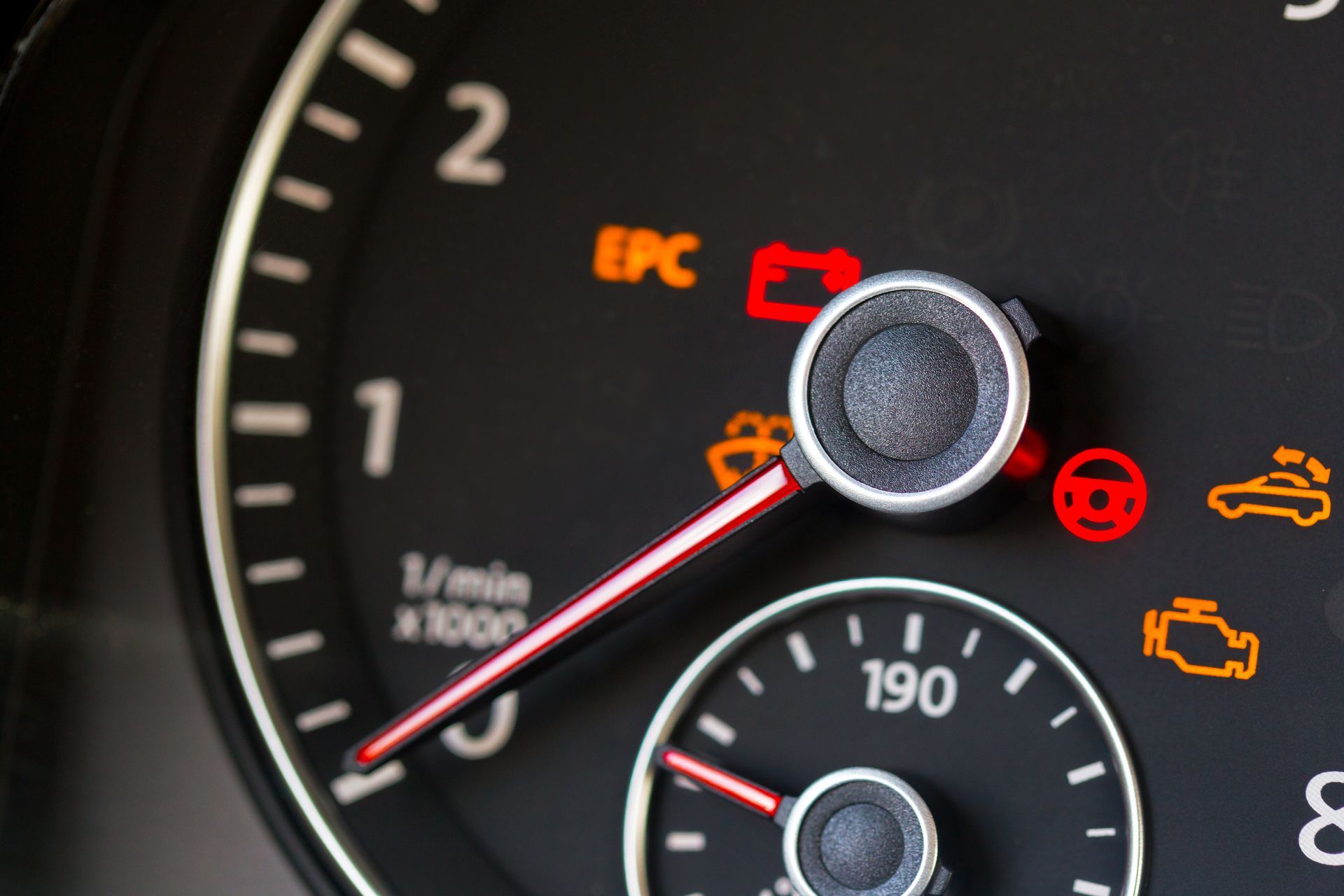
- Battery or charging warning light: If the alternator is not being driven correctly, your vehicle may lose charging ability.
- Hard steering: A slipping or broken belt may affect power steering in vehicles with belt-driven hydraulic power steering.
- Engine overheating: If the belt drives the water pump, belt failure can quickly lead to overheating.
- Air conditioning problems: Weak or no cooling may occur if the belt cannot properly turn the compressor.
- Burning rubber smell: A stuck pulley, slipping belt, or failing tensioner can create heat and odor.
Not every symptom automatically means the belt itself is bad. A worn tensioner, seized pulley, or fluid leak dripping onto the belt can create similar problems. Still, these signs are good reasons to have the system checked.
What causes a serpentine belt to fail?
A serpentine belt is designed to flex, grip, and spin thousands of times during normal driving. Over time, heat, friction, age, and exposure to engine bay conditions slowly wear it down. The belt may lose flexibility, develop surface cracks, or become glazed and slippery.
Belt failure can also happen because of parts around the belt. The tensioner keeps the belt tight enough to grip the pulleys without being too tight. If the tensioner weakens, the belt can slip. If a pulley becomes misaligned or damaged, the belt may wear unevenly. If an accessory pulley seizes, the belt can overheat, shred, or snap.
Leaks are another common concern. Oil, coolant, or power steering fluid can soften rubber and reduce belt grip. If you change car belt components without fixing the leak that damaged the old one, the new belt may wear out faster than expected.
When should a serpentine belt be replaced?
A serpentine belt should be replaced when it shows wear, makes persistent noise, loses proper tension, or reaches the service interval recommended for your vehicle. The exact timing depends on the vehicle, belt material, driving conditions, and the condition of related parts. Rather than guessing, check your owner’s manual and ask a qualified technician to inspect the belt during routine maintenance.
Many drivers wait until a belt is noisy before thinking about service, but visual wear is not always obvious. Some newer belt materials may not show deep cracks the way older belts did. A belt can also look acceptable from above while showing rib wear on the underside. That is why an inspection should include the belt surface, rib profile, tensioner movement, pulley alignment, and any signs of fluid contamination.
If you recently bought a used vehicle and do not know its maintenance history, it is wise to have the drive belt checked. A previous owner may have had the serpentine belt replaced, or the belt may be overdue. Confirming its condition gives you a clearer baseline for future maintenance.
What happens if you keep driving with a bad belt?
Driving with a bad belt can turn a simple repair into a much bigger problem. A slipping belt may reduce alternator output, leaving your battery undercharged. If the belt breaks completely, your vehicle may lose accessory function immediately, and depending on the engine design, overheating can happen quickly.
The risk is not only mechanical. If power steering assistance suddenly drops, the vehicle may become harder to control, especially at low speeds or during a turn. If the battery loses charge while driving, the vehicle may eventually stall or fail to restart. If the engine overheats, internal damage may occur if you continue driving.
When you hear belt noise or see warning lights, it is better to stop and assess the situation than assume you can keep going indefinitely. If the temperature gauge rises, the steering changes dramatically, or the battery warning light appears with belt noise, pull over safely and consider roadside assistance.
How technicians inspect the belt system
A proper belt inspection is more than a quick glance. The serpentine belt works as part of a system, and replacing only the belt may not solve the problem if another component caused the wear.
A typical inspection may include:
- Checking belt condition: The technician looks for cracks, rib wear, fraying, glazing, uneven edges, or contamination.
- Testing belt tension: The belt must be tight enough to operate accessories without slipping.
- Inspecting the tensioner: A weak, noisy, or bouncing tensioner can shorten belt life.
- Checking pulleys: Pulleys should spin smoothly and align correctly with the belt path.
- Looking for leaks: Fluid on the belt can cause noise, slipping, and premature failure.
- Confirming belt routing: The replacement belt must follow the correct path around each pulley.
This system-based approach matters because a new car belt installed on a bad pulley can fail early. It also helps prevent repeat visits for the same noise.
Tips to extend serpentine belt life
You cannot make a belt last forever, but good maintenance habits can help it perform reliably. The goal is to reduce unnecessary stress and catch related problems early.
Use this simple checklist:
- Inspect during oil changes: Ask for a quick belt and hose check during routine service.
- Pay attention to new sounds: Squeals, chirps, or rhythmic ticking near the belt path should not be ignored.
- Fix leaks promptly: Oil or coolant contamination can damage rubber parts.
- Replace related parts when needed: A worn tensioner or pulley can ruin a new belt.
- Use the correct belt: The right size, rib count, and fit are essential for proper operation.
- Avoid spraying “belt dressing” as a fix: It may quiet noise temporarily but will not correct wear, misalignment, or tension problems.
If you like basic DIY checks, only inspect the belt when the engine is off and cool. Keep hands, clothing, and tools away from moving parts. If access is tight or you are unsure what you are seeing, professional inspection is safer.
Replacing the belt is usually preventive, not just reactive
Many vehicle owners think of belt replacement only after a breakdown, but it is often best handled as preventive maintenance. If the belt is worn and already accessible during another repair, replacing it can make sense before it fails. This is especially true when the belt shows age, noise, or visible damage.
The phrase “change car belt” may sound simple, and on some vehicles it can be. On others, the belt path is tight, the tensioner is difficult to reach, or additional components may need to be moved for access. Correct routing is also critical. A belt installed around the wrong pulley path can create immediate problems.
If you do replace it yourself, take a photo of the belt routing before removal, compare the new belt with the old one, and verify that the ribs sit fully in each pulley groove. After installation, start the engine briefly and watch for wobble, noise, or misalignment. If anything looks or sounds wrong, shut the engine off and recheck the work.
The bottom line on serpentine belt maintenance
The serpentine belt is easy to overlook because it usually works quietly in the background. Yet it helps power systems that affect charging, steering, cooling, and cabin comfort. A worn belt can create warning noises, trigger dashboard lights, and lead to serious drivability issues if ignored.
The best approach is simple: know the signs, inspect the belt regularly, and replace it before failure whenever wear is found. Whether you call it a serpentine belt, serpentine drive belt, drive belt, or car belt, its job is too important to leave to chance. A little attention now can help keep your vehicle running smoothly and reduce the chance of an unexpected breakdown later.