How to Fix Coolant Leaks: A Local Guide
Coolant leaks happen when antifreeze escapes from a hose, radiator, water pump, thermostat housing, or another cooling-system component. Common signs include a sweet smell, colored fluid beneath the vehicle, an overheating temperature gauge, or low coolant. Prompt diagnosis helps prevent severe engine damage and expensive repairs.
What Are the Signs of Coolant Leaks?
A coolant leak may be obvious, or it may be small enough to evaporate before leaving a noticeable puddle. Pay attention to these warning signs:
- A sweet-smelling odor inside or outside the vehicle
- Green, orange, pink, yellow, or blue fluid under the car
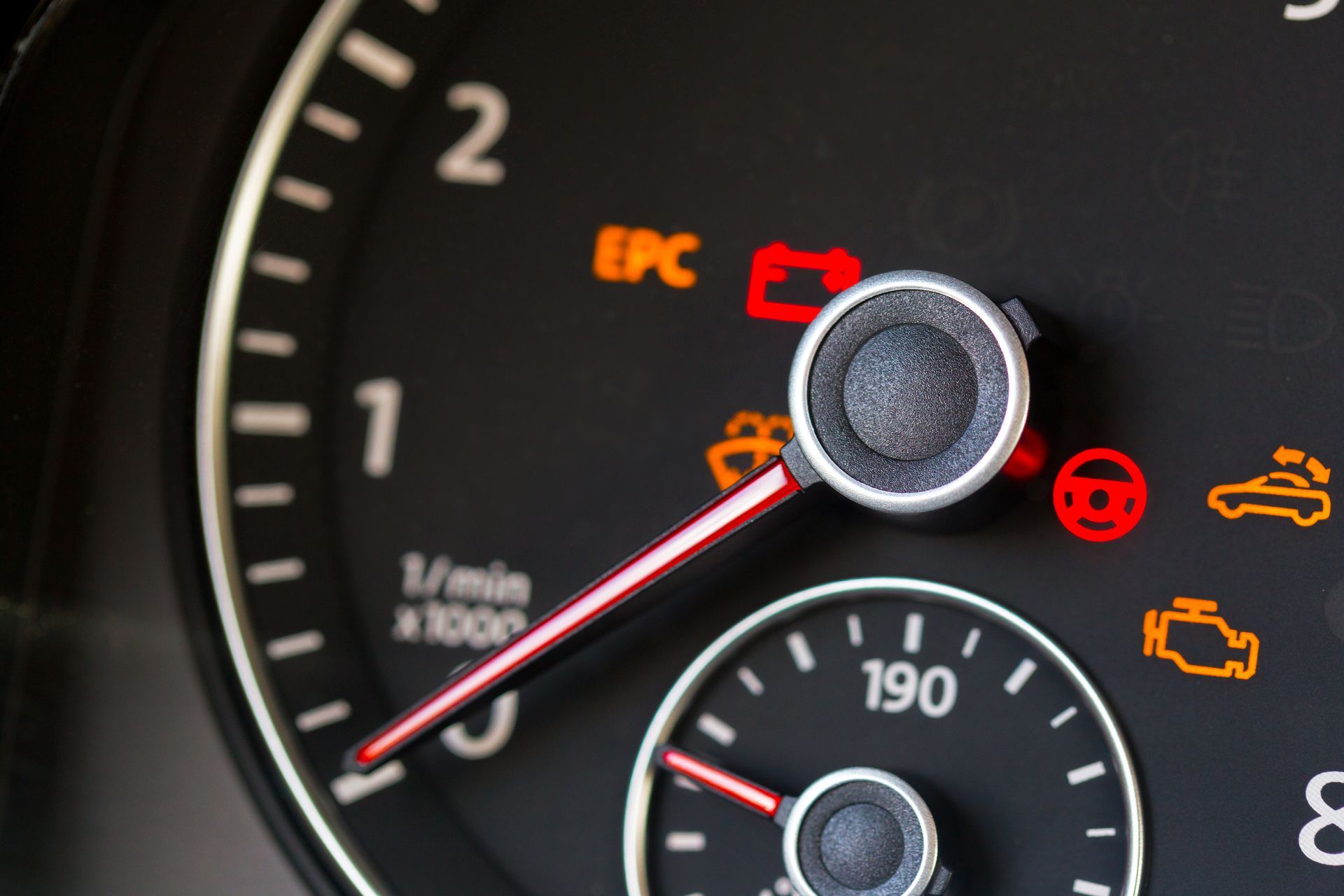
- An overheating engine or rising temperature gauge
- Low coolant in the reservoir or radiator
- Steam from beneath the hood
Coolant can appear in different colors depending on the vehicle and antifreeze formula. Do not identify a leak by color alone. Engine oil, transmission fluid, and water from air conditioning can look similar in certain lighting.
If your vehicle is overheating, pull over safely, turn off the engine, and allow it to cool. Never remove a radiator cap while the engine is hot. Pressurized coolant can cause serious burns.
Why Is My Car Losing Coolant but Not Leaking?
A vehicle may lose coolant without leaving a visible puddle because the leak is small, occurs only when the system is pressurized, or allows coolant to contact a hot engine surface and evaporate. A faulty radiator cap can also release coolant as vapor.
Other possible causes include:
- A hidden hose or radiator crack
- A leaking water pump seal
- A damaged head gasket
- An internal engine coolant leak
- A heater-core leak inside the cabin
A sweet smell inside the car, fogged windows, or damp carpet near the passenger side may indicate a heater-core problem. White exhaust smoke, bubbling in the coolant reservoir, or repeated overheating may point to a more serious internal issue.
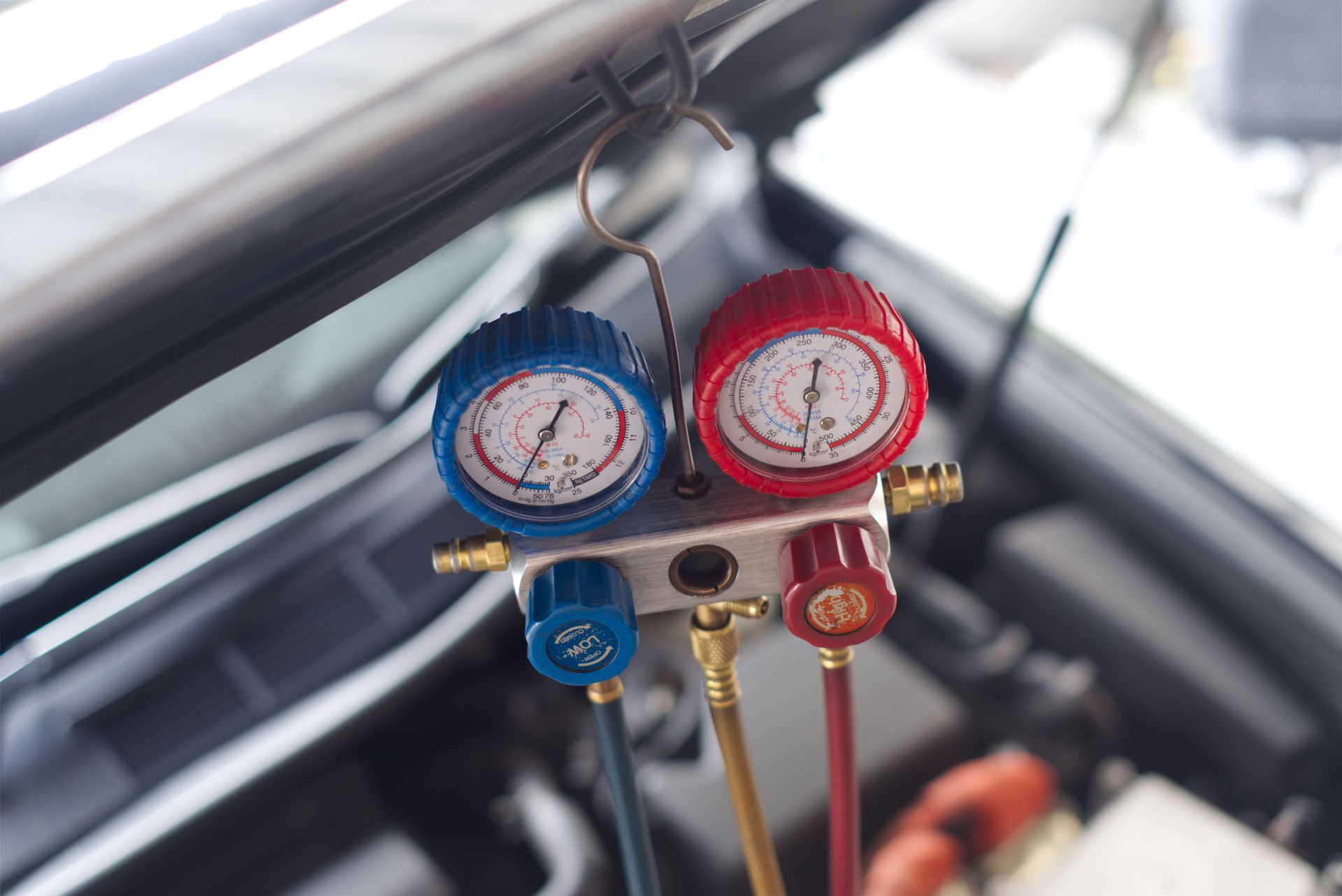
A professional cooling-system pressure test can often locate a slow or hidden leak more accurately than a visual inspection.
Common Causes of Coolant Leaks
Cooling systems contain hoses, seals, clamps, plastic tanks, metal components, and a water pump. Over time, heat cycles and vibration can weaken these parts.
Cracked or Deteriorated Hoses
Radiator and heater hoses can become brittle, swollen, soft, or cracked. A loose clamp may also allow coolant to escape near a connection. Hoses should be checked during routine maintenance, especially on older vehicles.
Radiator Damage
A radiator can leak from a damaged core, cracked plastic tank, loose drain plug, or deteriorated seam. Road debris, corrosion, and repeated overheating may contribute to radiator failure.
Water Pump Failure
The water pump circulates coolant through the engine. When its seal or bearing fails, coolant may leak near the pump or behind the timing-cover area. A worn pump may also produce a whining or grinding sound.
Thermostat Housing or Gasket Problems
A thermostat housing can crack, particularly when it is made from aging plastic. Its gasket may also fail and allow coolant to escape around the housing.
Head Gasket Damage
A head-gasket failure can mix coolant with engine oil or allow coolant into the combustion chamber. This problem requires prompt attention because continued driving may cause major engine damage.
For broader maintenance guidance, visit Lee’s Service Car Care Tips.
Can You Drive With a Coolant Leak?
Driving with a coolant leak is risky. A small leak can quickly become a major one, causing the engine to overheat. Severe overheating may warp cylinder heads, damage gaskets, seize engine components, or leave you stranded.
You may be able to drive a very short distance to a safe location if:
- The temperature gauge remains at its normal level
- There is no steam from the engine bay
- The coolant level is adequate when the engine is cold
- The leak is minor and the vehicle is operating normally
This is not a substitute for repair. Do not continue driving if the temperature rises, the warning light appears, steam develops, or the engine runs poorly. Arrange towing or professional assistance instead.
Do not rely on stop-leak products as a permanent solution. They may temporarily reduce a leak, but they can also restrict small passages or complicate future repairs.
How Are Coolant Leaks Diagnosed?
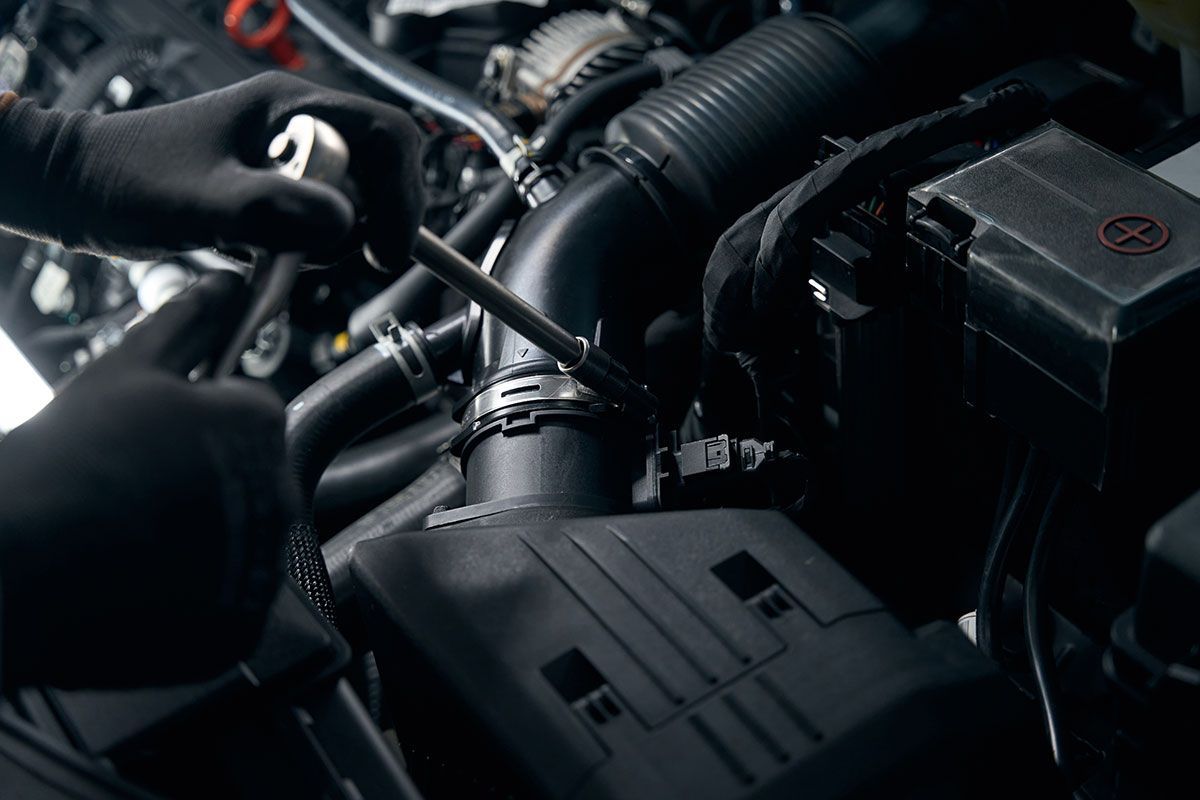
A technician typically begins by checking the coolant level, inspecting visible components, and looking for dried residue around hoses, fittings, and the radiator. The system may then be tested while cold and under pressure.
Common diagnostic steps include:
- Inspecting hoses, clamps, the radiator, and the water pump
- Checking the reservoir and radiator cap
- Performing a cooling-system pressure test
- Using UV dye and a specialized lamp for difficult leaks
- Testing for combustion gases when an internal leak is suspected
- Checking engine oil and exhaust symptoms
Accurate diagnosis matters because replacing the wrong part wastes time and money. A leak near the front of the engine, for example, could involve a hose, radiator, thermostat housing, or water pump.
How Much Does Cooling System Repair Cost?
Cooling-system repair costs depend on the failed component, vehicle type, parts availability, labor time, and whether overheating caused additional damage. A hose or clamp is usually simpler to replace than a radiator, water pump, or head gasket.
The best way to understand the cost is to request an inspection and written estimate. Ask what caused the leak, whether the vehicle is safe to drive, which parts need replacement, and whether the system should be flushed or refilled.
Lee’s Service provides professional Auto Repair for drivers in Reedley, Fresno, and nearby communities. Our experienced mechanics focus on accurate inspections, honest recommendations, and repairs suited to the condition of your vehicle.
How Can You Prevent Future Coolant Leaks?
Preventive maintenance cannot stop every failure, but it can help identify weak components before they create an emergency.
- Check the coolant reservoir only when the engine is cool
- Follow the manufacturer’s coolant replacement schedule
- Watch for changes in the temperature gauge
- Inspect for stains, crusty residue, or damp areas under the hood
- Replace worn hoses, clamps, and caps before they fail
Use the correct coolant type for your vehicle. Mixing incompatible formulas or adding plain water for extended periods can reduce protection against corrosion, freezing, and overheating. If you are unsure which coolant your car needs, ask a qualified technician before topping it off.
Coolant Leak FAQs
What does coolant smell like?
Coolant often has a sweet, chemical smell. If you notice that odor after parking or inside the cabin, have the vehicle inspected.
What color is coolant?
Coolant may be green, orange, pink, yellow, or blue. Color varies by formula and manufacturer, so it is not a reliable way to identify a leak or select replacement fluid.
Can low coolant cause overheating?
Yes. Low coolant reduces the system’s ability to transfer heat away from the engine. Overheating can cause serious damage, so stop driving if the temperature warning appears.
Is a coolant leak an emergency?
It can be. A fast leak, steam, an overheating gauge, or repeated coolant loss requires immediate attention. Turn off the engine and seek professional help.
Where can I get cooling system repair in Reedley or Fresno?
Lee’s Service helps local drivers diagnose coolant leaks and related cooling-system problems. Schedule through the Reedley appointments page or Fresno appointments page .
What to Do Next
Coolant leaks should not be ignored, even when the vehicle still seems to drive normally. Check for warning signs, avoid opening a hot radiator, and arrange an inspection before a small leak becomes an overheating event. A pressure test can help identify the source and guide the right repair. For dependable cooling system repair in Reedley and Fresno, contact Lee’s Service. Our team can inspect the problem, explain your options, and help protect your vehicle from preventable engine damage. Schedule cooling system repair today .