What is a Tire Alignment
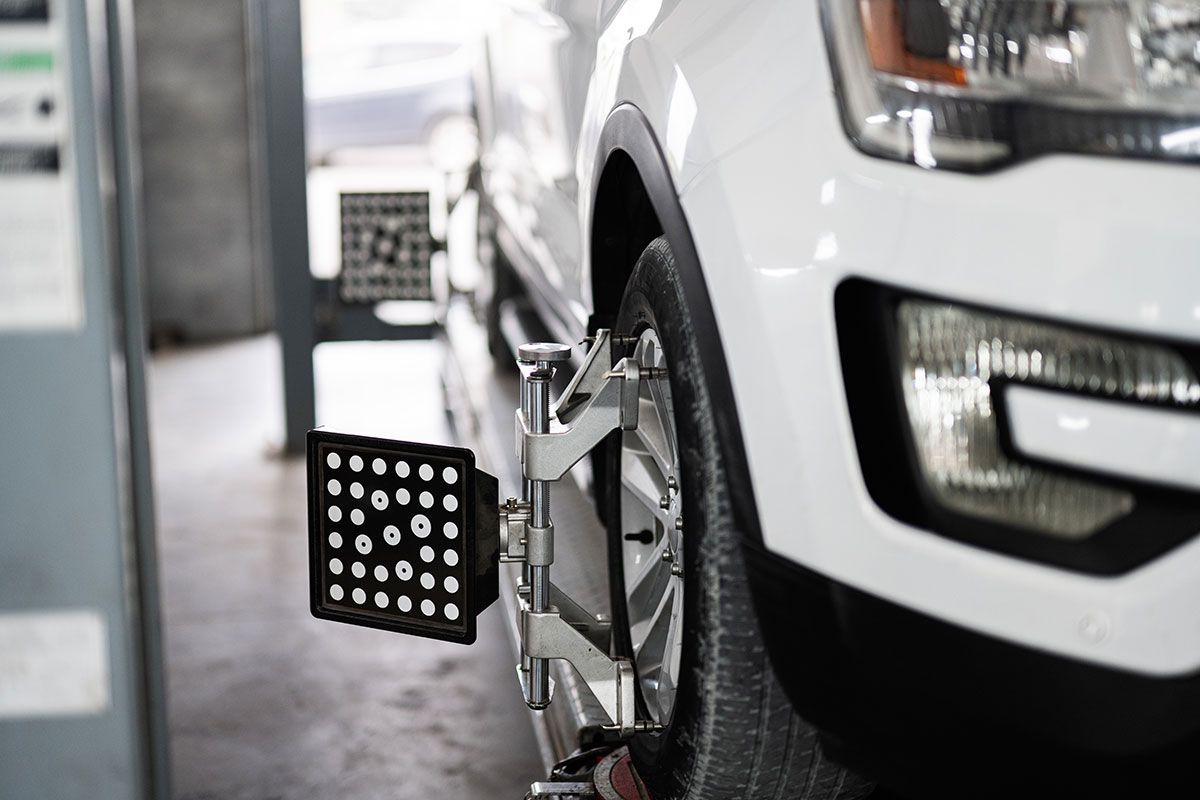
A tire alignment, also called a wheel alignment, adjusts your vehicle’s suspension so the wheels sit at the angles specified by the manufacturer. Those angles affect how the tires meet the road, how evenly they wear, and how the vehicle steers. Despite the name, the service adjusts suspension components, not the tires themselves.
Knowing what alignment does makes it easier to recognize warning signs and understand a repair recommendation. It also helps you avoid confusing alignment with balancing or rotation, which address different maintenance needs.
What does a tire alignment actually adjust?
A tire alignment checks and, where the vehicle allows, corrects three main measurements: camber, toe, and caster. Together, these describe how the wheels tilt, where they point, and the angle of the steering axis. The goal is to meet the vehicle manufacturer’s specifications, rather than make every angle zero.
- Camber: The inward or outward tilt of a wheel when viewed from the front. Excessive tilt can concentrate wear on the tire’s inner or outer edge.
- Toe: The direction the wheels point when viewed from above. Think of looking down at your feet with your toes turned inward or outward. Incorrect toe can make tires scrub against the road and wear prematurely.
- Caster: The forward or backward tilt of the steering axis when viewed from the side. This measurement affects steering effort, stability, and cornering behavior.
These measurements work together, so a single symptom does not identify which angle needs correction. A technician measures the actual geometry and compares it with the specifications for your vehicle.
How can you tell your vehicle needs an alignment check?
Common reasons to schedule an alignment check include uneven tire wear, a steering wheel that sits crooked while driving straight, or a vehicle that consistently pulls to one side. These signs justify an inspection, but they do not prove alignment is the only problem. Tire pressure, tire damage, and worn steering components can produce similar symptoms.
Look for specific changes rather than waiting for the car to feel dramatically different:
- One tire edge wears faster: Compare the inner and outer shoulders, not just the center tread.
- The steering wheel is no longer centered: Note whether this started after an impact or repair.
- The car repeatedly pulls: Tell the technician when it happens and whether braking changes it.
- Handling changes after a pothole or curb strike: The impact may affect both alignment and the tire itself.
Do not use a hands-off driving test to investigate a pull. Describe what you notice during normal, controlled driving instead. If handling suddenly becomes unpredictable or vibration is severe, treat it as an urgent inspection issue rather than assuming a routine alignment will solve it.
Front end alignments and four-wheel alignments
Front end alignments focus on the front wheels’ alignment settings. A four-wheel alignment evaluates the relationship between the front and rear wheels and includes rear adjustments where the suspension design permits them. The appropriate service depends on the vehicle’s suspension and condition.
Rear-wheel alignment matters because the rear wheels influence the direction the vehicle tracks. Correcting only the front settings may not address a problem involving the rear suspension. Ask the shop which wheels will be measured, which settings are adjustable, and why its recommended service fits your vehicle.
Do not choose solely by the service name. Ask for an explanation of the recommended scope before authorizing work, especially when comparing estimates that use different terminology.
What happens during the appointment
An alignment should begin with an inspection, not immediate adjustment. Tire condition, wheel damage, vehicle height, and worn steering or suspension parts can affect the measurements. The technician also needs to understand the symptoms you are trying to resolve.
The process generally includes:
- Discussing the complaint. Explain when the pull, crooked steering wheel, or unusual wear appeared.
- Checking the vehicle. The technician looks for conditions that could affect alignment or require repair.
- Measuring wheel angles. Alignment equipment compares the readings with the manufacturer’s specifications.
- Making appropriate adjustments. Available suspension settings are corrected according to the vehicle’s procedures.
Ask for the before-and-after measurements and an explanation of anything still outside specification. Also ask whether any recommended parts repair is necessary before alignment. Adjusting settings is not a substitute for correcting damaged or worn components that affect wheel position.
How often should you have alignment checked?
There is no single alignment interval that suits every vehicle and driving pattern. Follow your vehicle’s maintenance guidance, and arrange an inspection when you notice uneven wear or changed handling. A significant pothole impact, curb strike, or steering or suspension repair is also a reason to discuss an alignment check.
Checking alignment and adjusting it are not necessarily the same decision. Ask whether the measurements show a correction is needed rather than assuming every inspection must lead to an adjustment.
New tires are another useful opportunity to check alignment. If the previous set wore unevenly, discuss the cause before putting the replacement set into regular use. Correcting an underlying alignment issue helps protect the new tires from the same wear pattern.
Keep notes about impacts, handling changes, and repairs. A clear timeline gives the technician more useful information than simply saying the car “feels off.”
Choosing a shop when searching “alignment near me”
An “alignment near me” search can help you find local options, but use the conversation with the shop to understand what you are buying. Ask about the inspection, the scope of adjustment, and how the results will be explained. A clear estimate should make the proposed work understandable before you approve it.
Useful questions include:
- Does the quoted service include checking both front and rear alignment measurements?
- Will you inspect steering and suspension components before making adjustments?
- Can you explain the before-and-after readings?
- Will you contact me before performing additional repairs?
- Does the estimate separate alignment from balancing or other tire services?
Avoid comparing prices without comparing scope. Alignment cost can vary with the vehicle, location, and work involved, while repairs to worn or damaged components can add work beyond the adjustment itself. Request an itemized estimate rather than relying on a universal price or completion time.
Protecting your tires between visits
Alignment is one part of tire maintenance, not a replacement for it. Check pressure against the vehicle’s recommendation, inspect tread for changing wear patterns, and follow the recommended rotation schedule. These habits address different causes of tire wear and help you notice problems early.
After a hard impact, pay attention to changes in steering and have concerns inspected rather than waiting for visible wear. A pothole or curb strike can damage a tire as well as disturb alignment. Mention the impact when booking service so the inspection addresses both possibilities.
The takeaway: tire alignment sets wheel angles to the vehicle manufacturer’s specifications. When steering changes or tread wears unevenly, start with an inspection, not a guess about which service will fix it.